The pageant. Edward Dwurnik and the phantoms of history. The exhibition has been extended until September 26
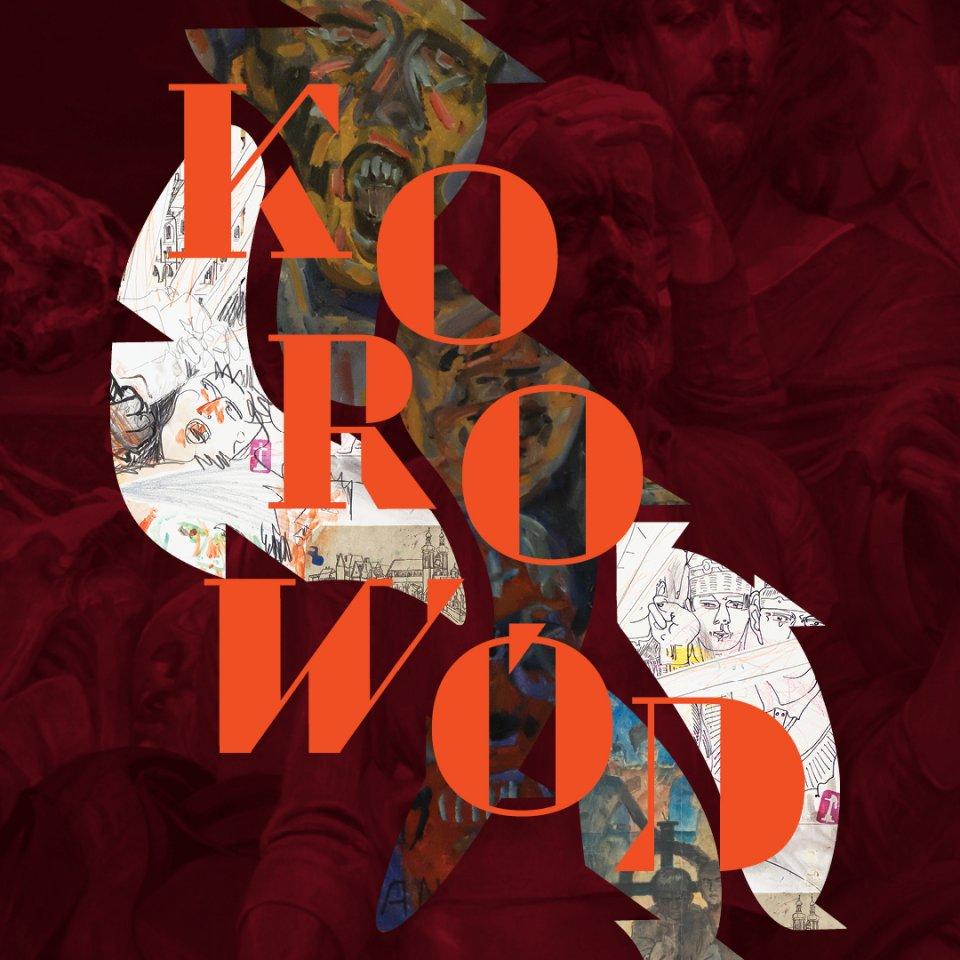
in the foreground, the title of the exhibition; in the background, a collage of fragments of paintings
INFO
Place
Curator
Opening
Production
Time
Visual identification
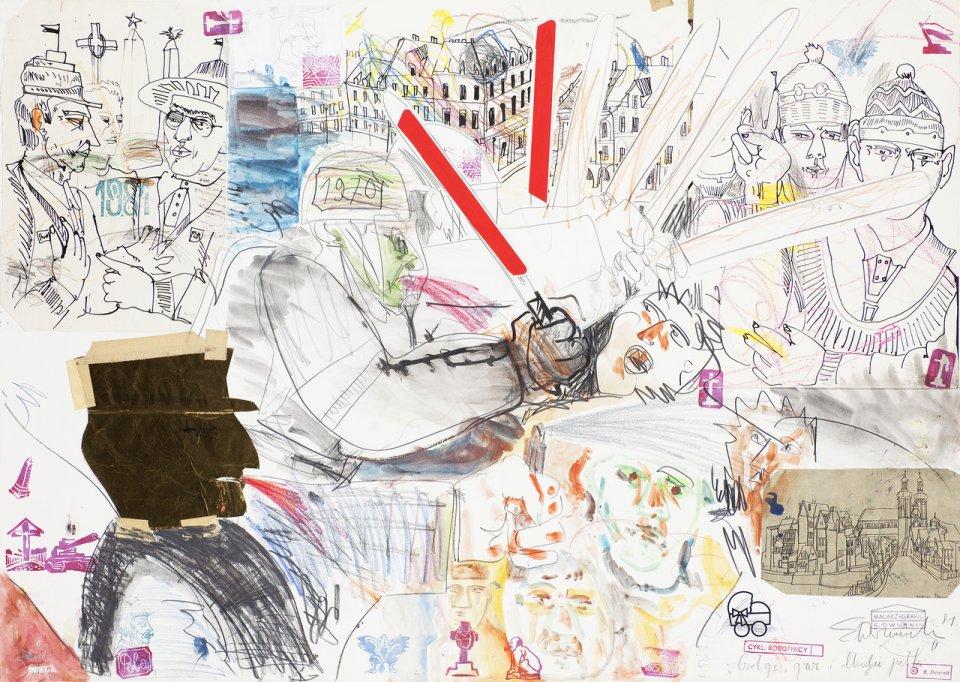
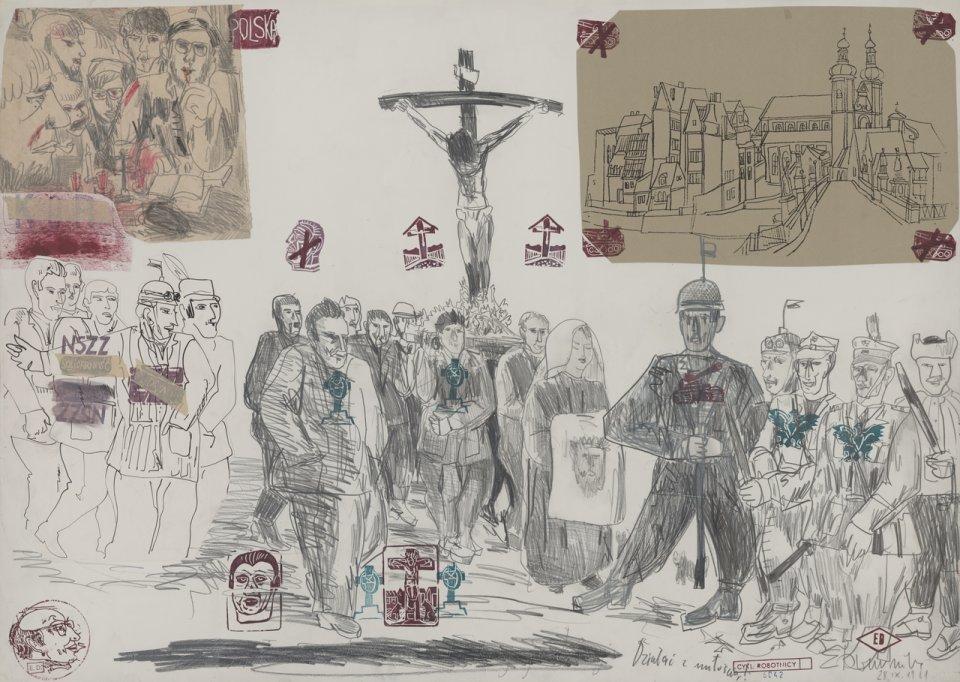
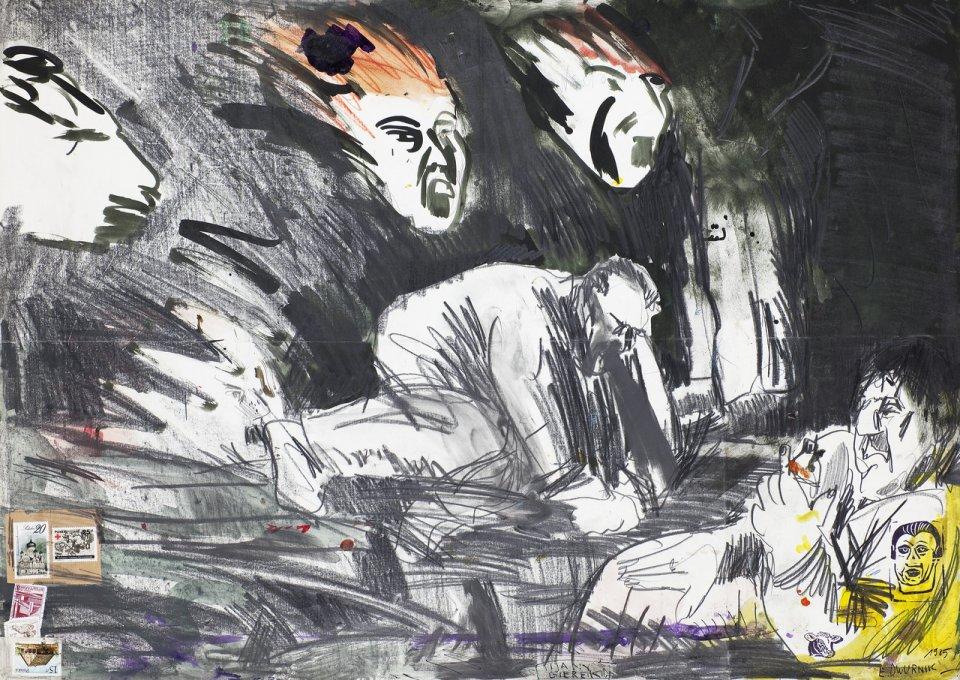
This exceptional donation has inspired us to revisit the oeuvre of the artist and juxtapose it with the tradition of Polish painting with which he engaged in an impassioned dialogue. This juxtaposition becomes a starting point for reflection on our national myths which Dwurnik so critically and ironically relentlessly explored.
The exhibition takes us on a phantasmagorical journey. Time intervals overlap while we bump into well-known frames and motifs. Thanks to their attributes or emblematic gestures, we can easily recognise many of the anonymous figures depicted on the paintings arranged in the title ‘pageant’. We draw on historical knowledge but also on the collection of representations of past events. The exhibition confronts us with cultural clichés, national symbols, and the collective memory of Poles.
Looking at Dwurnik’s works we can detect the echoes of pro-independence outbursts. They resonate in a non-idealised space filled with everyday reality, commonness, and ugliness. By making reference to the Old Masters and to the 19th century narrative, the artist does away with pathos and textbook-like illustrations. To his contemporary protagonist, the symbols of great and grandiloquent past are nothing more than components of the landscape that leaves you an indifferent passer-by.
In the works of the artist we can find wit, honesty, directness, compassion, co-participation but also a distance. Dwurnik comments but he does not preach. He examines one of the social contracts dealing with how we use historical knowledge and how we want to solidify the collection of representations and myths about our past, about ourselves. Dwurnik unveils what was supposed to remain hidden, he removes the makeup. He is ironical.
Hence the title ‘pageant’ can also be seen in the context of emblematic slogans linked with Polish culture, history, and tradition. Naming them, recognising their meaning may make us reconsider our vision of history and memory stored in culture. In this case, Dwurnik’s works offer a critical perspective.
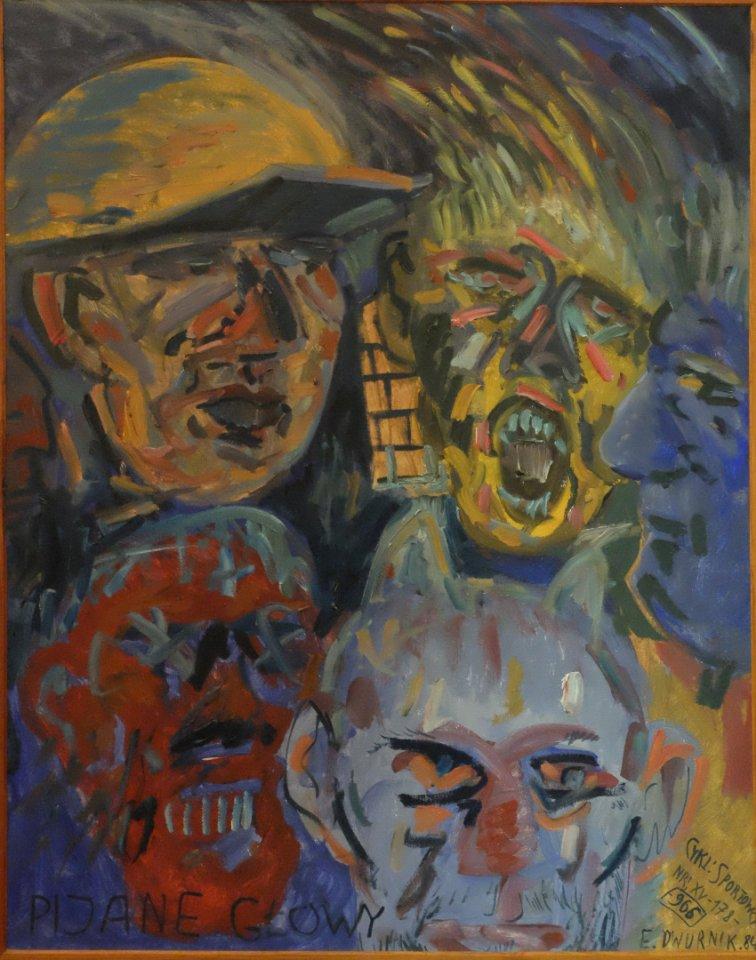
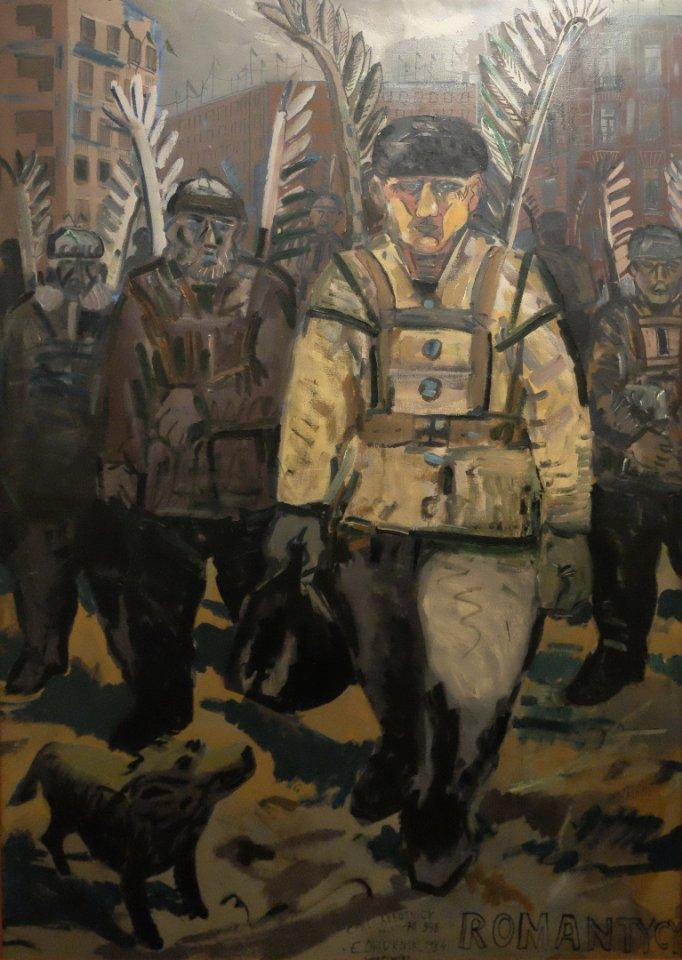
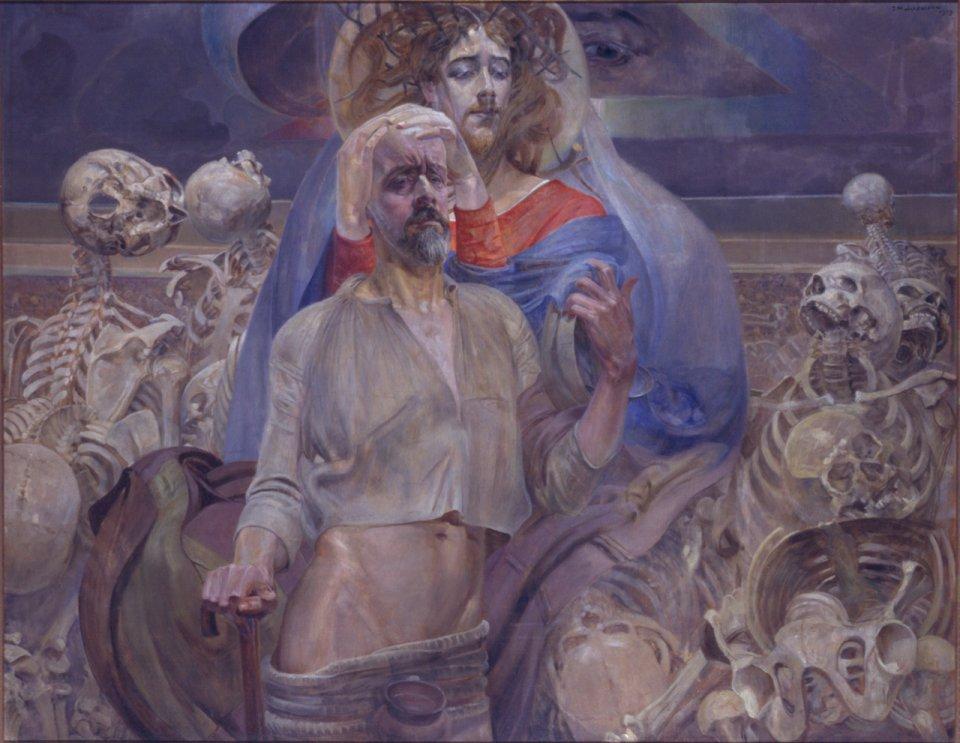
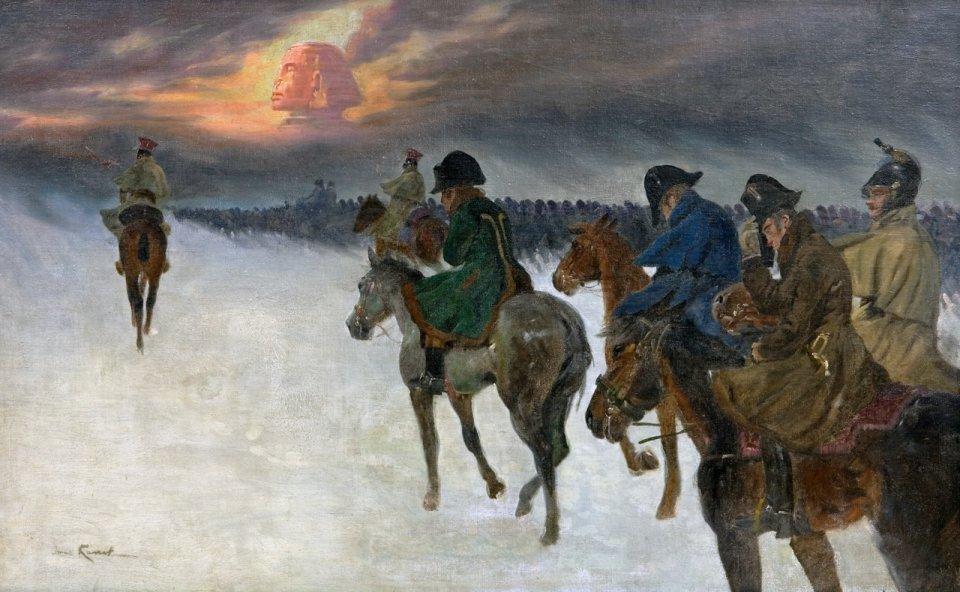
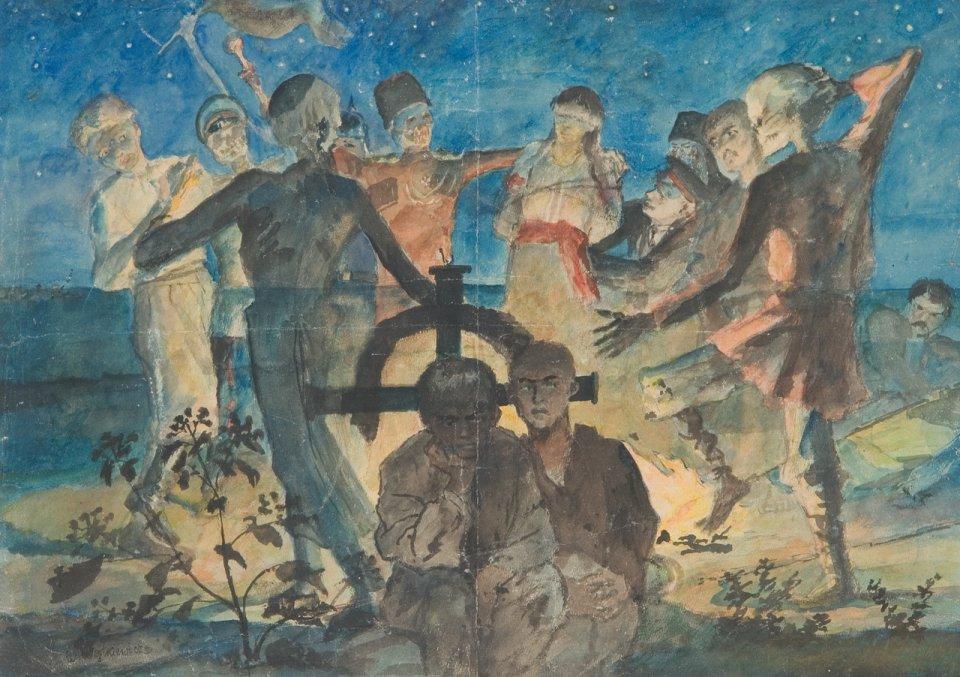
The exhibition will confront, inter alia, works such as ”Tiurma” [The Prison] by Dwurnik and ”Pochód ułanów polskich w 1830” [Procession of Polish lancers in 1830] by Gierymski, ”Pijane głowy” [Drunken Heads] of the first one with “Ostatni klucznik Horeszkowa” [The last janitor of Horeszkowo] by Strzałecki, or “Romantycy” [Romantics] with “Ranny kirasjer i dziewczyna” [A wounded cuirassier and a girl] by Kossak and a “Scena batalistyczna” [Military Scene] by Pillati.
Share the information
Galeria